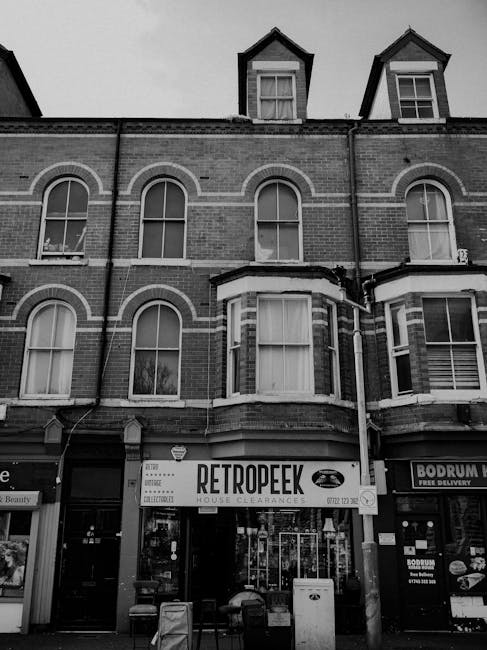
Clapham Junction rubbish clearance for house moves
Moving house in Clapham Junction can feel exciting right up until the clutter starts staring back at you. Old furniture in the hallway, broken bits from the shed, bags of forgotten stuff in the loft, and that one cupboard you meant to sort out months ago. Clapham Junction rubbish clearance for house moves is really about getting your home move back under control, without turning moving day into a scramble.
Whether you are leaving a flat near the station, downsizing, or trying to get a property ready for new occupants, the right clearance plan can save time, reduce stress, and make the move far smoother. In this guide, we will walk through how the process works, what to expect, what to avoid, and how to choose the most sensible option for your situation. Simple enough on paper. In real life, a bit more chaotic.
Table of Contents
- Why Clapham Junction rubbish clearance for house moves Matters
- How Clapham Junction rubbish clearance for house moves Works
- Key Benefits and Practical Advantages
- Who This Is For and When It Makes Sense
- Step-by-Step Guidance
- Expert Tips for Better Results
- Common Mistakes to Avoid
- Tools, Resources and Recommendations
- Law, Compliance, Standards, or Best Practice
- Options, Methods, or Comparison Table
- Case Study or Real-World Example
- Practical Checklist
- Conclusion
- Frequently Asked Questions
Why Clapham Junction rubbish clearance for house moves Matters
House moves rarely fail because of one huge problem. More often, they get messy because of lots of little things: a wardrobe that will not fit down the stairs, a pile of packaging, a mattress nobody wants, or an overloaded front room with "sort later" items everywhere. That is where local rubbish clearance becomes genuinely useful.
Clapham Junction has its own moving quirks. Roads can be tight, access can be awkward, and many homes are flats or terraced properties with limited storage. If you are moving around busy times of day, you will also feel the pressure of parking, loading, and keeping shared entrances clear. A poorly planned clear-out can eat a whole afternoon, and nobody wants that when the removals van is booked.
There is also the practical side. The less you move, the less you have to pack, lift, and transport. It sounds obvious, but people often overlook it until the night before. Then suddenly every broken fan, old rug, and half-finished DIY project becomes part of the moving puzzle. One less thing to move is one less thing to worry about. That really does add up.
For landlords, tenants, homeowners, and agents, a proper clearance can also help present the property well before handover. A tidy, empty space feels calmer and avoids those awkward "who left this here?" moments. We have all seen that one cupboard, haven't we?
Practical takeaway: rubbish clearance is not just about disposal. For a house move, it is a time-saving, space-saving, and stress-saving part of the moving plan.
How Clapham Junction rubbish clearance for house moves Works
The process is usually more straightforward than people expect. Most clearance jobs follow the same broad pattern, even if the property itself is a bit of a puzzle.
1. Identify what needs to go
Start by separating items into clear groups: keep, donate, recycle, and remove. This helps prevent good items from being binned by accident. Be honest here. If you have not used something in years and you would not buy it again, it may be time for it to go.
2. Choose the right removal method
Depending on the amount and type of waste, you may need a man and van style collection, a skip, a wait and load service, or a more focused rubbish removal visit. The best option often depends on access, parking, time pressure, and how much lifting you want to do yourself.
3. Prepare access for collection
In Clapham Junction, access matters. If the property is in a busy street or shared building, try to make it easier for the team to get to the waste. Clear a route, confirm where items are stored, and think about whether the load will need to come through communal areas. A few minutes of prep can save a lot of back-and-forth.
4. Removal and sorting
Once the team arrives, items are loaded and taken away for sorting. Reusable and recyclable materials are usually separated where possible. Good waste operators do not just throw everything together and hope for the best. They should know how to deal with mixed waste responsibly.
5. Final sweep and handover
After the clearance, you should be left with a more workable space. In a house move, that might mean a clean hallway for removals, an empty flat ready for inventory checks, or a garage that no longer feels like a storage cave. Small win, but a real one.
Key Benefits and Practical Advantages
The value of Clapham Junction rubbish clearance for house moves is not just about getting rid of things. The real benefit is what it unlocks during the move itself.
- Less packing: fewer items mean fewer boxes, less tape, and less decision fatigue.
- Faster moving day: when bulky or unwanted items are already gone, the removals team can focus on the essentials.
- Better access: clearing corridors, landings, and doorways reduces the risk of delays and damage.
- Cleaner property handover: an uncluttered space usually looks and feels more presentable.
- More room to work: cleaners, decorators, and movers all work better in a clear space.
- Less emotional drag: sorting waste before the move can make the whole process feel lighter, oddly enough.
There is also a financial angle. It may seem cheaper to keep everything and decide later, but extra storage, repeated trips, missed collection dates, or last-minute van hire can become expensive quickly. The "we will deal with it after the move" approach often creates a second move nobody asked for.
If your move involves damaged white goods, old sofas, or mixed household waste, a specialist service can also save you from having to make multiple disposal arrangements. That matters when your calendar is already packed and the kettle is on the floor because the kitchen is half packed.
Who This Is For and When It Makes Sense
Not every move needs a full rubbish clearance, but many do benefit from one. The people who usually get the most value are:
- Tenants moving out of rented homes: especially where lease end dates are tight and the property must be left clean.
- Homeowners preparing for sale: clutter can make a place feel smaller and more stressful to view.
- Landlords between tenancies: useful when left-behind items need to be removed quickly.
- Families downsizing: a move is a natural moment to let go of bulky or duplicate items.
- People dealing with garage, loft, or shed overflow: these spaces often hide the bulk of the problem.
- Anyone with limited time or physical capacity: moving is hard enough without lifting old furniture and bagging up junk alone.
It can also make sense when access is awkward. If you are in a top-floor flat near Clapham Junction and the lift is tiny or unreliable, carrying loads down in stages is exhausting. In that kind of scenario, planning rubbish clearance ahead of moving day is just sensible. Not glamorous. Sensible.
Sometimes people ask whether they should clear rubbish before packing or after unpacking. Honestly, before is usually better. Why pack and move things you already know you do not want? It only creates extra work, and moving day tends to expose all your unfinished decisions at once.
Step-by-Step Guidance
If you want the process to feel manageable, break it into small decisions. That is the trick. Not heroic effort. Just steady progress.
- Walk through the property room by room. Make quick notes of bulky waste, broken items, duplicates, and anything left in storage areas.
- Separate keep, donate, recycle, and remove. Use labels, bags, or boxes so nobody has to guess later.
- Identify difficult items early. Mattresses, fridges, sofas, paint, and electrical items often need special handling.
- Measure awkward objects. Large items may need extra labour or a different removal method if stairways or doors are narrow.
- Check access and parking. In Clapham Junction, timing and loading space matter more than people think.
- Choose your clearance method. Compare speed, cost, convenience, and how much lifting you want to do.
- Book in advance where possible. House moves are time-sensitive, and the best slots go quickly.
- Do a final sweep before collection. Empty cupboards, loft corners, sheds, and under-stairs spaces tend to hide the last few items.
- Keep essentials separate. Documents, chargers, keys, medicines, and moving-day snacks should never get mixed into the clearance pile.
- Confirm what was removed. A quick check at the end helps avoid confusion later.
One useful habit is to work in short bursts. Thirty minutes in one room, then a tea break. Another room, then stop. It sounds almost too simple, but it keeps decision fatigue from taking over. The body gets tired, the brain gets grumpy, and the result is usually a pile of half-sorted stuff in the hallway. Nobody needs that.
Expert Tips for Better Results
Here is where a bit of planning pays off. The following tips can make rubbish clearance noticeably smoother when you are moving home.
Clear bulky items first
Get rid of sofas, wardrobes, broken appliances, and old mattresses before boxing up the rest. Big items dominate the space and make every other job harder.
Keep one "move-day essentials" zone
Put chargers, toiletries, kettle bits, tools, and key documents in one place. If everything is scattered, you will lose time hunting for basics on the last night.
Think about weather and timing
A wet London morning can turn bins, boxes, and hallways into a slippery mess. If possible, schedule the clearance when access is least awkward and daylight gives you better visibility.
Use the move as a reset
Truth be told, a house move is one of the easiest times to cut down on clutter. You are already making decisions. Use that momentum while it is there.
Do not forget hidden spaces
Lofts, sheds, under-bed storage, and the back of kitchen cupboards often hold the real volume. People remember the obvious rooms and forget the odd corners. Then the "small clear-out" becomes a much larger job.
Expert summary: the best results come from early sorting, realistic timing, and choosing a clearance method that matches your access and workload. If the property is awkward, convenience may be worth more than the cheapest option.
Common Mistakes to Avoid
Most clearance problems are avoidable, which is a polite way of saying they were predictable in hindsight. The usual mistakes are easy to spot once you know them.
- Leaving clearance until moving day: that is how stress multiplies.
- Mixing rubbish with items you still need: one confusing pile can derail a whole room.
- Assuming every waste type is handled the same way: some items need special disposal or separate handling.
- Forgetting parking or access restrictions: this can create delays, extra lifting, or additional costs.
- Underestimating bulky waste: one wardrobe can be a bigger problem than five bags of mixed rubbish.
- Not checking what can be recycled or reused: throwing everything away can be wasteful and unnecessary.
- Booking too late: especially in busy moving periods, availability can be tight.
Another common one is trying to do everything yourself because it feels cheaper. Sometimes that works. Sometimes it means a long day, sore shoulders, and a friend with a van who is quietly regretting their kindness. Be honest about the size of the job.
If something feels awkward, heavy, or time-sensitive, it probably deserves a better plan than "we will just figure it out on the day."
Tools, Resources and Recommendations
You do not need a mountain of equipment for a successful clearance, but a few practical tools can make life easier.
- Sturdy bin bags and rubble sacks: useful for mixed household waste and lighter soft items.
- Labels or marker pens: essential for keep, donate, recycle, and remove piles.
- Gloves: sensible for lofts, garages, and anything dusty or sharp.
- Basic trolley or sack truck: handy for heavier loads if access allows.
- Tape, boxes, and wrap: helps protect items you are keeping during the clear-out.
- Measuring tape: simple, but very useful when deciding whether bulky furniture is worth moving.
For service choices, it helps to compare a few common options. If you want a broader moving solution, a man and van style service can be useful where access is straightforward and the load is moderate. For larger or mixed household waste, rubbish removal may be the more practical route. If you have a lot of domestic clutter across several rooms, house clearance can be the better fit, especially when there are multiple bulky items and a tighter handover deadline.
It is also worth looking at how waste will be handled afterwards. A responsible provider should be able to explain sorting, recycling, and disposal practices in plain English. If you want to understand the company background before booking, the about us page can help set expectations, while the recycling and sustainability page is useful for anyone who wants to keep waste handling as responsible as possible.
Law, Compliance, Standards, or Best Practice
House-move clearance does not need to become a legal headache, but it does need to be handled properly. In the UK, waste must be passed to the right kind of operator, and you should be careful about where items end up. That matters even for ordinary household waste. Fly-tipping is a real issue, and if your rubbish is handed to the wrong person, it can come back to haunt you.
The safest approach is to use a service that can handle disposal responsibly and follow normal waste-handling best practice. If a provider is taking away electrical items, fridges, sofas, or mixed waste, it should be clear that these are dealt with in line with appropriate disposal routes. For anything hazardous, such as chemicals, certain paint products, or other risky materials, ask in advance rather than guessing. Better a slightly boring question now than a much worse problem later.
Parking and access can also be part of the practical compliance picture in busy areas around Clapham Junction. If a skip or vehicle will affect the road or pavement, checks around permissions may be needed. The exact situation depends on location, access, and the type of service used. That is why it helps to ask clear questions before booking rather than assuming all waste removal is the same.
Good providers also make safety part of the job, not an afterthought. For example, insurance and safety information should be easy to understand, and a clear health and safety policy is a reassuring sign that the work is being carried out carefully. If you are comparing costs, the pricing and quotes page can help you understand how estimates are presented before you commit.
Options, Methods, or Comparison Table
Different homes and moves need different solutions. The table below gives a practical comparison of common approaches for Clapham Junction rubbish clearance for house moves.
| Option | Best for | Main advantage | Possible drawback |
|---|---|---|---|
| Rubbish removal | Mixed household waste, a few bulky items, last-minute clear-outs | Fast, flexible, and suitable when you want items taken away quickly | May cost more than doing it yourself for very small jobs |
| House clearance | Whole-property or multi-room clearances before or after a move | Good for larger jobs and fuller properties | Can feel like more than you need if only one room is involved |
| Skip hire | Longer projects, ongoing packing, or repeated rubbish over several days | Handy if you want to load at your own pace | Needs space and may involve permit considerations |
| Wait and load | Busy streets, no space for a skip, quick clearance from the front of the property | No skip left on site, so less street clutter | Requires you to be ready when the vehicle arrives |
| Man and van | Moderate volumes, furniture, and flexible pickups | Useful for lifting and transport in one go | May not suit very large or very mixed waste loads |
If your move includes a single awkward item, like a mattress or old fridge, a focused service might be enough. If you are clearing a full property, a wider clearance solution will usually be more efficient. And if you are still unsure, that is normal. The right choice often becomes clearer once you look at access, volume, and timing together.
Case Study or Real-World Example
Consider a typical Clapham Junction move: a two-bedroom flat near the station, two adults, a few years' worth of furniture, and a growing pile of "we should get rid of that" items in the spare room. The moving date is fixed. The removals team is booked. The flat itself is on an upper floor, and the hallway is not exactly generous.
In that situation, the first sensible step is to separate the obvious waste from the keepers. Old shelving, a broken bedside table, packaging from recent purchases, an unused exercise bench, and a tired mattress all go into the removal pile. The owners then group the smaller items into bags and label anything staying. That alone clears enough space to pack properly.
Next, they arrange a clearance visit before moving day. This means the bulky pieces are removed without having to drag them through the flat while boxes are being sealed. By the time the removals van arrives, the rooms are easier to move through and the heavy lifting is cut down considerably. The final effect is not dramatic in a film-like way. It is more practical than that. Fewer obstacles. Less noise. Less panic at the door.
What changed most was not just the amount of rubbish removed, but the mental load. The owners could actually see the floor again. If you have moved house before, you will know that moment. It is strangely calming.
Practical Checklist
Use this checklist to keep the process under control. It is simple, but it works.
- Walk through every room and note bulky waste.
- Separate items into keep, donate, recycle, and remove.
- Check lofts, sheds, under stairs, and cupboards.
- Measure anything large or awkward.
- Confirm access, parking, and loading space.
- Set aside important documents and essentials.
- Choose the most suitable clearance method for the job.
- Book the clearance with enough time before moving day.
- Keep hazardous or uncertain items separate until confirmed.
- Do a final sweep of the property before handover.
- Make sure the team knows about any tricky stairs, tight corners, or shared entrances.
- Ask how the waste will be handled after collection.
Quick reminder: the best house-move clearance is the one that removes stress before it has a chance to build up. Get the bulky stuff out early and the rest of the move usually behaves itself a bit better.
If you are still deciding what to do next, start small. One room. One pile. One decision at a time. That is usually enough to get momentum going.
Conclusion
Clapham Junction rubbish clearance for house moves is one of those jobs that looks secondary until you actually need it. Then it becomes obvious why it matters. A good clearance plan makes packing easier, reduces moving-day pressure, and helps you hand over a property in much better shape.
The main thing is to be practical. Sort early, choose the right disposal method, think about access, and do not leave the awkward stuff until the last minute. That approach saves time and usually saves money too. More importantly, it makes the whole move feel less like a scramble and more like a plan that is actually working.
Get a free quote today and see how much you can save.
If you want a calmer move and a clearer space, start with the rubbish first. Everything else tends to fall into place more easily after that, honest.
Frequently Asked Questions
What is Clapham Junction rubbish clearance for house moves?
It is the removal of unwanted household items, bulky waste, and move-related clutter before, during, or after a house move in the Clapham Junction area. It helps reduce packing, improve access, and make the handover smoother.
When should I book rubbish clearance before moving house?
As early as you can, especially if your move is time-sensitive. Booking before moving day is usually best because it gives you time to sort items properly and avoids last-minute pressure.
Can rubbish clearance include furniture and white goods?
Yes, in many cases it can. Sofas, wardrobes, mattresses, fridges, and washing machines are common items for clearance, although some appliances or materials may need special handling.
Is it better to use a skip or a rubbish removal service for a move?
It depends on access, volume, and timing. A skip suits ongoing sorting and larger jobs where space is available. A rubbish removal service is often better for quick, flexible clear-outs or awkward access.
What items should I remove first when preparing to move?
Start with bulky, broken, or obviously unwanted items. Things like old furniture, packaging, damaged appliances, and duplicate household goods are usually the best place to begin.
Do I need to sort recycling before clearance?
It helps, yes. Sorting recyclables in advance makes the process smoother and can reduce waste. Even a simple split between keep, recycle, and remove will make a difference.
How does rubbish clearance help with rental end-of-tenancy moves?
It helps you leave the property clear, tidy, and ready for inspection. That can reduce stress during checkout and make it easier to return the property in a presentable condition.
What should I do with items I am not sure about?
Set them aside and ask before collection. If you are unsure whether something is recyclable, reusable, or needs special disposal, do not guess. It is much safer to separate it first.
Can I combine house clearance with moving-day rubbish removal?
Yes, and often that is the most efficient approach. If you are moving out anyway, combining the jobs can reduce repeat visits, save time, and simplify the whole process.
Are there access problems in Clapham Junction I should think about?
Quite often, yes. Narrow streets, shared entrances, stair-heavy flats, and parking constraints can all affect how clearance is done. That is why access details matter so much.
What happens to the waste after collection?
Responsible providers sort waste for recycling, reuse, or proper disposal where possible. The exact route depends on the type of material collected, but the aim should always be responsible handling.
How do I know which clearance option is best for my move?
Look at three things: how much waste you have, how easy access is, and how quickly you need it gone. Once you know those, the best option usually becomes much clearer.