Skip Hire in Battersea for straightforward waste removal

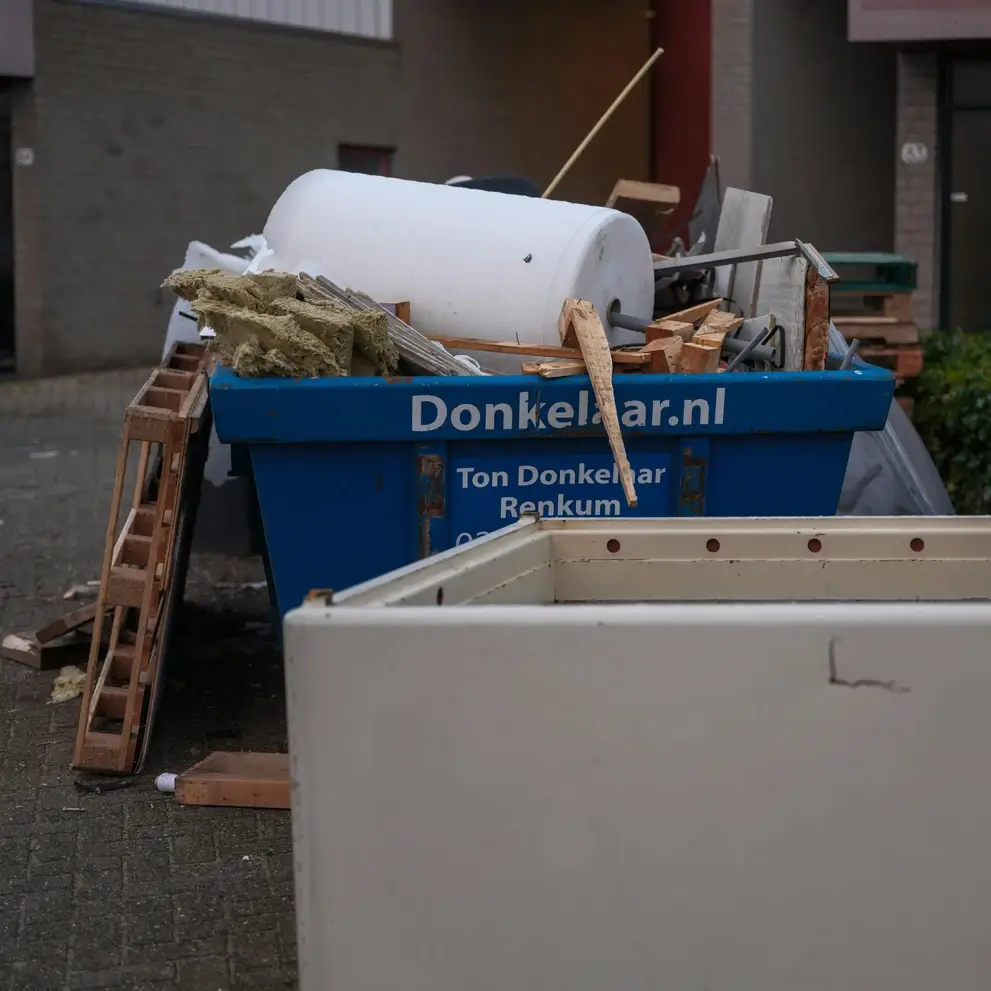
Skip hire in Battersea gives households, landlords, trades and site managers a practical way to deal with bulky waste without overfilling bins or making repeated tip runs. Our main service is arranged around the load you need to clear, with container sizes and collection timing chosen to suit the work in hand. That can be useful during decorating, refurbishment, garden work or general property clearance when you want one planned collection rather than a series of smaller removals.
We support a range of waste streams through builders skip hire, domestic skip hire and commercial skip hire, so the service can be matched to the setting rather than treated as a one-size-fits-all arrangement. Where access is tighter or the material needs a different approach, options such as wait and load skip hire or grab hire services may also be relevant. The aim is to keep the process clear, lawful and suitable for the type of waste you are moving.
To start, think about the volume of waste, the available access and whether the items are mixed or fairly consistent. If you already know the main material, that helps keep the order accurate; if not, a short description is usually enough to begin. Use this service when you want a simple, scheduled waste solution that can be aligned with the job rather than forcing the job around the waste collection.
Choosing the right skip for the job
Different projects create different waste patterns, so choosing the right skip is not just about size. Heavy rubble, broken brickwork and soil behave differently from mixed light waste, packaging and timber. We can help when the load is mostly one material, and we can also advise when the contents are likely to be varied. The key is to avoid underestimating the waste, because overfilling or mixing unsuitable material can make collection harder to arrange.
Useful decisions usually involve the weight of the load, how quickly waste is accumulating and how much space is available for placement. A smaller skip may be enough for a focused clear-out, while a larger one can suit longer works with regular waste output. If your property layout or street access is awkward, it is worth considering whether a standard skip, a same-day skip hire arrangement, or an alternative collection method would better fit the schedule. For many customers, the most helpful approach is the one that keeps the site orderly without interrupting the rest of the work.
Common factors that shape the order include:
- the approximate volume of waste and how quickly it will be created
- the type of material, especially if it includes heavy or mixed items
- space for placement and access for loading or collection
- whether the project is domestic, trade-based or commercial
- any need to separate recyclable material from general rubbish
Builders waste and construction site clearances

Building work often creates a steady stream of waste rather than a single pile, which is why a skip-based arrangement can be a good fit for renovations, repairs and larger construction tasks. Materials such as timber offcuts, plasterboard, packaging, tiles and broken fittings can be gathered in one place so the working area stays usable. For heavier or more specific loads, we also cover construction waste disposal and construction waste clearance, giving you a structured way to move debris off site.
Where demolition or strip-out work is involved, a more robust waste plan may be needed because the material mix can change quickly. Services like demolition waste removal and site clearance are designed for projects that need a broader sweep once the main structural work is done. If the job is primarily trade waste, we can keep the arrangement focused on the output produced by the works, rather than adding unnecessary complexity. That makes it easier to keep loading predictable and the site safer to move around.
For tradespeople, the value often lies in keeping waste out of the way while the project continues. For householders, it can reduce the number of separate disposal decisions during a refurb. If you are unsure whether the waste is suited to a skip or a different collection method, compare the main materials and the likely access before making the booking. A clear description at the outset helps the service fit the project properly.
Domestic clear-outs and home improvement waste
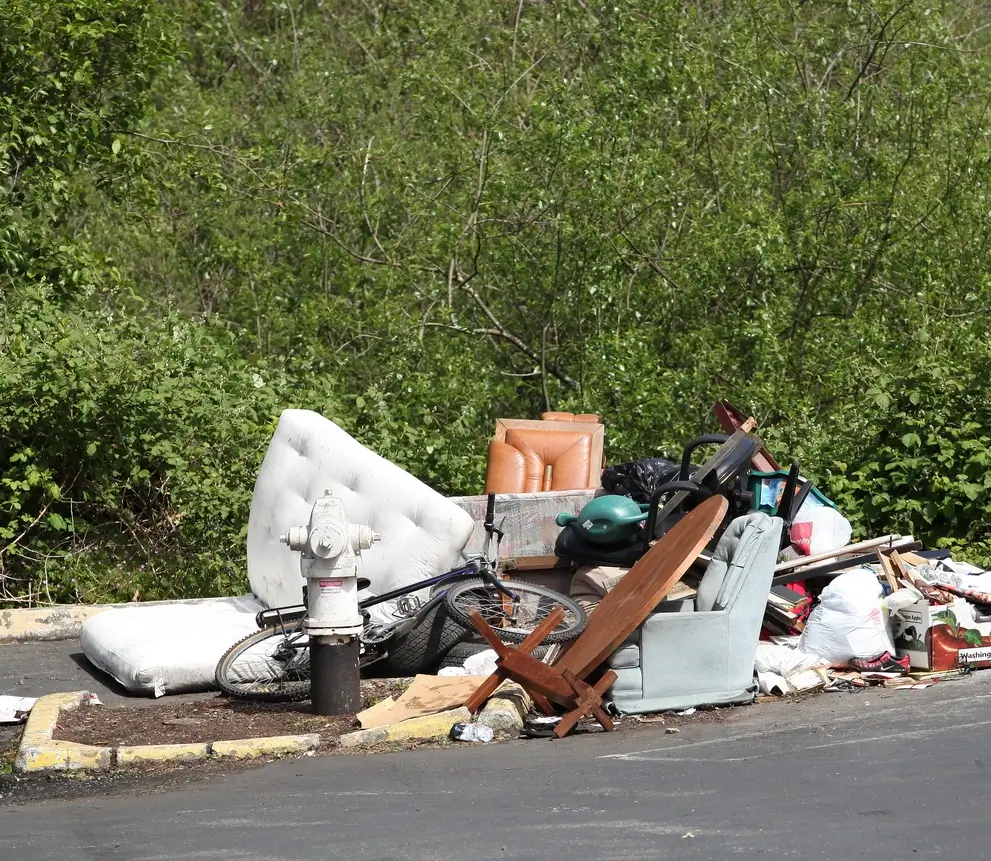
Domestic skip hire is useful when the waste is too bulky for normal household collections, especially after decluttering, room redecoration or flooring replacement. Typical loads may include broken furniture, old cupboards, packaging, underlay and general mixed rubbish from the home. We also support related needs through house clearance, garage and loft clearance and rubbish removal, which can help when a project calls for a broader emptying or a one-off uplift rather than a container alone.
Homeowners often want a waste solution that is simple to follow without taking over the driveway or front of the property for longer than necessary. That means thinking through what will be thrown away, what should stay, and whether any items need separate treatment. If you are dealing with mixed domestic waste, start with the largest pieces first and then account for the smaller material around them. The more clearly the load is understood, the easier it is to choose a sensible arrangement and avoid unnecessary delays.
Before requesting a quotation, it helps to note the main items, whether the waste is likely to arrive all at once or in stages, and whether access is straightforward. If the project is linked to a move, a renovation or a room conversion, mention that in your enquiry so the chosen service can reflect the scale of the work. Keeping the description specific usually leads to a more accurate recommendation.
Garden waste and outdoor clearances
Garden waste removal is ideal when outdoor work produces more material than the council collection will take at once. Branches, hedge cuttings, turf, soil, pruning waste and general landscaping leftovers can quickly build up after a tidy-up or redesign. We also provide garden waste removal for those jobs where the load is better handled as a direct collection, and muck away services for heavier soil and spoil that need a different disposal plan.
Outdoor projects often benefit from separating woody waste from soil and turf where possible, because the mix affects loading and disposal. If you are removing old fencing, sleepers, broken planters or patio materials at the same time, it may be wiser to treat the job as a mixed clearance. In that case, the skip or collection method should be chosen with both weight and access in mind. The result is a cleaner garden area and a clearer path for the next stage of work.
For planting refreshes, landscaping and seasonal tidy-ups, it is useful to think through the order of the job before waste builds up. Where the work is gradual, a planned collection can keep the garden usable through the process rather than leaving everything to the end. Recycling and sustainability considerations can also matter when you are sorting reusable materials from general green waste, helping the job stay organised from the start.
Access, permits and restricted collection points

Not every property offers simple placement for a skip, so access planning matters. Narrow streets, controlled parking bays, shared entrances and limited forecourts can affect what is practical. In some cases, you may need skip permits or a placement arrangement that takes account of highway rules. Where a permit is required, the location and timing of the skip need to be considered before the booking is confirmed, because the right setup depends on the place as much as the waste itself.
When access is difficult, alternatives such as grab lorry hire or wait and load skip hire can sometimes be more suitable than leaving a container on site. These approaches may help when there is nowhere safe for a static skip or when the waste needs to be lifted without occupying valuable space. The best choice depends on whether the project needs a standing container, a quick uplift or a more flexible way to clear material.
If you are arranging waste removal for a flat, shared building or busy street, think in advance about where vehicles can stop and how far waste would need to be carried. That practical detail often makes the difference between a smooth collection and an awkward one. For this reason, it is worth sharing the access picture clearly when asking for a quotation. Good access information helps the service match the site, not just the waste.
Materials, sorting and what can be loaded
Skip hire is most effective when the contents are understood before loading begins. Many common household and trade materials can be combined, but some items need separate treatment or cannot be accepted in the same way as ordinary mixed waste. To make the process more predictable, it helps to sort items into broad groups such as timber, rubble, metal, cardboard and general rubbish. That way the load stays organised and any exceptional material can be dealt with properly.
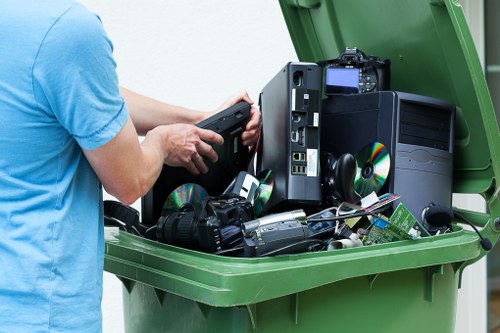
We can also support enquiries that involve what can go in a skip, hazardous waste disposal and fridge and appliance removal. These pages are useful when a project includes items that need extra care, or when you are unsure whether something should be included in the main load. It is better to identify those items early than to discover a problem when the waste is already ready for collection.
Where heavier waste is involved, loading should be planned with weight distribution in mind. A pile of masonry or soil should not be treated in the same way as loose mixed rubbish, because the handling and disposal requirements differ. If you are uncertain, describe the material simply and accurately rather than trying to guess the technical category. A short, honest description usually gives the clearest route to the right service.
Pricing, quotations and service planning
Pricing for skip hire is shaped by several practical factors rather than a single flat rule. The volume of the container, the type of waste, the access needed for placement and whether a permit or alternative collection is required can all influence the final arrangement. More specialised services, such as enclosed or lockable containers, may also affect the quote because they are chosen for a particular use. The most useful enquiry is therefore one that describes the job clearly enough for the service to be matched properly.
If you are preparing to request a quotation, a few details will usually be enough: the kind of waste, the rough amount, how soon it is needed and whether the location has any access restrictions. Where the project is commercial or ongoing, it can also help to mention whether the waste will arrive in one batch or over several visits. For customers who want a quick estimate path, pricing and quotes is the best place to begin, while book online may suit those ready to move ahead with the details already to hand.
It is sensible to keep the description factual and specific, especially if the load includes mixed materials or items that may need separate handling. If you are not yet certain about size or timing, say so plainly and ask for guidance rather than overcommitting to a guess. That approach often leads to a more accurate and workable quotation.
Commercial and recurring waste arrangements
Businesses often need waste removal that fits around trading hours, site activity and property management obligations. Commercial skip hire can support refurbishments, fit-outs, stock room clear-outs and periodic waste surges where ordinary collections are not enough. We also provide office clearance for workplace items and commercial skip hire for broader business waste needs, allowing the arrangement to reflect the setting rather than forcing the same solution everywhere.
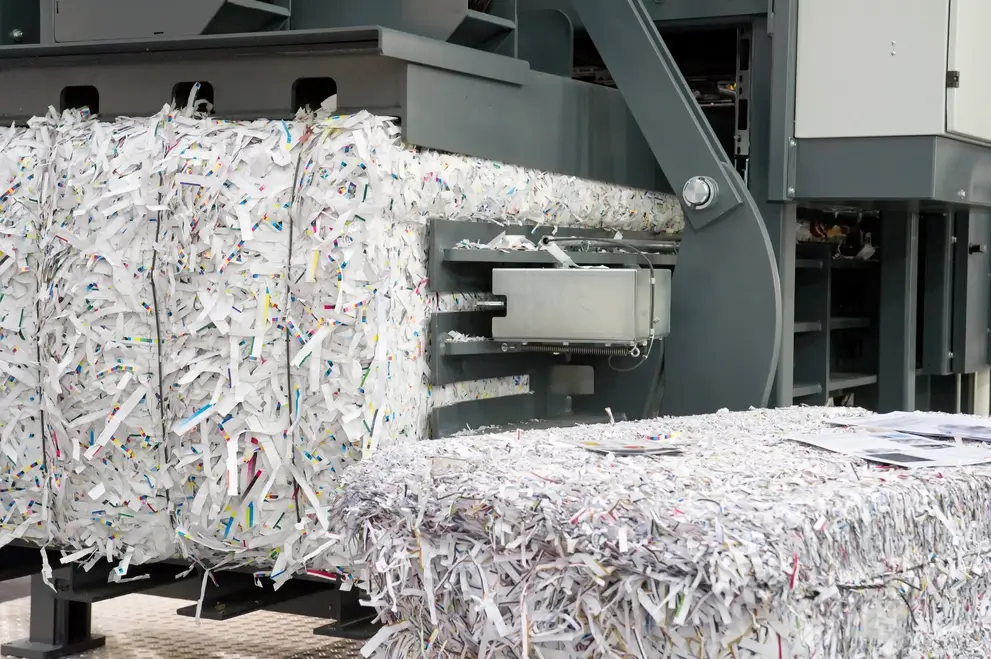
For regular works, the most important thing is predictability. A schedule that suits the premises can help keep back-of-house areas, loading spaces and work zones clear enough to function properly. If the project involves confidential paper or archive material rather than general waste, a separate route such as confidential shredding may be more appropriate than ordinary disposal. That distinction helps keep different waste types handled in the right way without overcomplicating the main clearance.
Commercial customers usually benefit from thinking through who will load the waste, how it will be stored before collection and whether the material changes over time. Even where the job is straightforward, a brief, accurate summary of the waste stream helps the arrangement stay efficient. If you need to compare several disposal options, start with the main material and the level of access, then choose the service that best fits the site and the working day.
About Battersea
Battersea is a district on the south bank of the River Thames in the London Borough of Wandsworth, stretching from the riverside at Battersea Reach inland towards Clapham Junction and the open space around Battersea Park. Its identity has been shaped by a long industrial and riverside history, followed by substantial redevelopment that has changed parts of the waterfront while leaving a mix of older streets and newer residential areas. Battersea Power Station is one of the best-known landmarks, with its Art Deco brick façades now standing as a prominent feature of the skyline after extensive restoration. Battersea Park, created in the nineteenth century, remains one of the area’s defining green spaces and includes wide paths, lakeside views and formal planting. The district also contains a range of religious buildings, Victorian terraces and former warehouse and workshop sites, reflecting the layers of change that have taken place over time. Clapham Junction, on Battersea’s northern edge, is a major railway interchange and has long shaped movement through the area. The riverfront includes promenades, piers and newer developments, while the inland streets retain a more residential character with local shops, schools and community facilities. Battersea is also associated with cultural references in music, literature and place names, giving it a broader recognition beyond the borough. These contrasting elements make it a place where the historic and the contemporary sit side by side in a compact urban landscape, with the river, park and transport links continuing to define how the district is understood.
When the scope is unusually large or involves bulky materials from several parts of a property, it may be worth looking at site clearance or house clearance alongside the main skip arrangement. Some projects also benefit from enclosed and lockable skip hire where contents need extra protection or a tidier presentation on site. These choices are less about adding complexity and more about matching the disposal method to the material and the surroundings.
Getting the arrangement right from the start
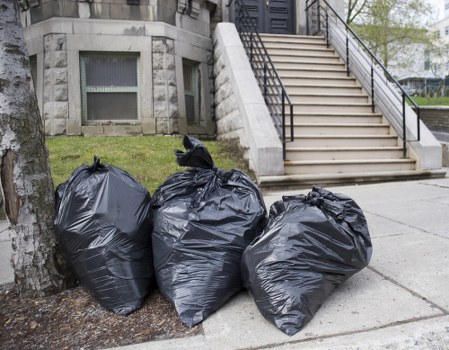
A well-planned skip hire order is usually the one that reflects the actual job rather than an idealised version of it. If the waste will come from a single room, a garden overhaul, a strip-out or a commercial tidy, it helps to say that plainly. The same applies if you expect the load to change through the week, if heavy items are included, or if a permit may be needed. Those details make the arrangement easier to tailor and reduce the chance of needing to change it later.
Two practical habits are especially useful. First, keep the waste area accessible so loading is not delayed by obstacles, parked vehicles or stacked materials. Second, separate items that clearly need different handling, such as appliances, masonry or private paperwork. If the project needs another type of collection instead of a standard skip, services like man and van or mattress and sofa disposal may be more suitable for particular items. The right method is the one that fits both the waste and the way you can reach it.
If you are ready to move forward, request a quotation with a clear note of the waste type, access conditions and timing. For a straightforward next step, ask for a quote and choose the arrangement that suits your site.