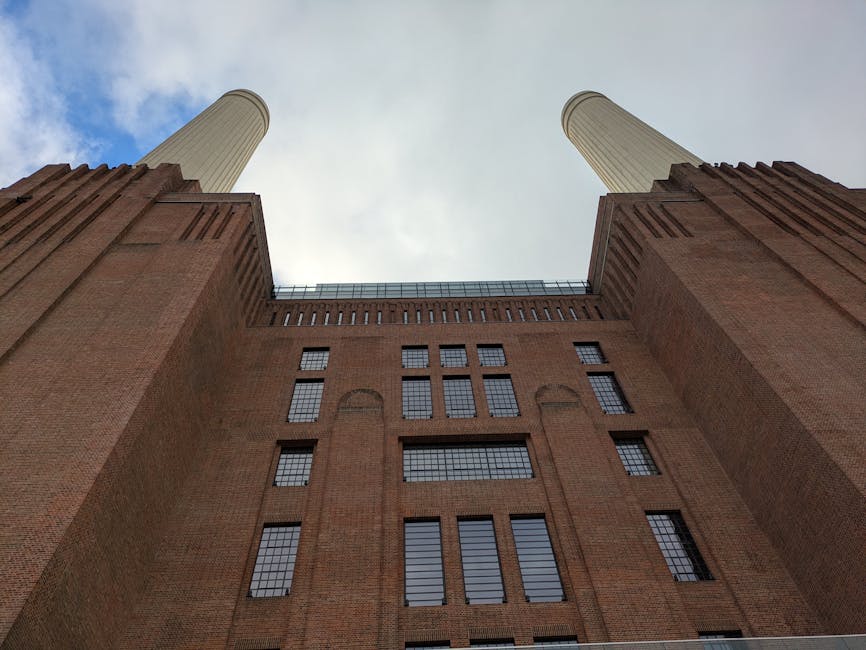
Battersea Power Station rubbish removal access tips
If you are planning a clear-out, renovation, or site tidy-up near Battersea Power Station, access is often the difference between a smooth job and a stressful one. Tight roads, loading restrictions, busy pedestrian areas, and awkward entry points can turn a simple rubbish removal into a bit of a headache. These Battersea Power Station rubbish removal access tips are written to help you plan properly, avoid delays, and choose the right waste solution for the space you actually have.
In practice, the best rubbish removal near Battersea Power Station is rarely just about the waste itself. It is about how the vehicle gets in, where it can stop, how long it can stay, and whether the load can be moved safely without blocking traffic or frustrating neighbours. Get that part right, and everything else becomes easier.
Below, you will find practical access advice, common mistakes, a step-by-step plan, and a realistic comparison of the main waste removal options. If you are unsure what kind of service fits your project, it also helps to understand the differences between rubbish removal, wait and load skip hire, and more standard skip hire before you book anything.
Table of Contents
- Why Battersea Power Station rubbish removal access tips Matters
- How Battersea Power Station rubbish removal access tips Works
- Key Benefits and Practical Advantages
- Who This Is For and When It Makes Sense
- Step-by-Step Guidance
- Expert Tips for Better Results
- Common Mistakes to Avoid
- Tools, Resources and Recommendations
- Law, Compliance, Standards, or Best Practice
- Options, Methods, or Comparison Table
- Case Study or Real-World Example
- Practical Checklist
- Conclusion
- Frequently Asked Questions
Why Battersea Power Station rubbish removal access tips Matters
Access matters because waste removal is physical work. Someone has to get to the waste, load it safely, and leave without creating avoidable disruption. Around Battersea Power Station, that can be trickier than people expect. You may be dealing with narrow approaches, shared access, underground or restricted parking, building management rules, and the usual London realities: pedestrians everywhere, tight timings, and not much room for error.
When access is badly planned, the problems show up fast. A vehicle may need to double back. Loading can take longer than expected. The team may need to park further away and carry waste by hand. In some situations, the service you booked may not be the one that actually fits the site. That is where a lot of frustration starts. Truth be told, most rubbish removal issues here are not about the rubbish. They are about logistics.
Good access planning also protects your budget. If a crew has to wait around, make repeated trips, or deal with unexpected restrictions, the job can become less efficient. If you are working to a schedule, especially for a flat refurbishment or commercial fit-out, a small access mistake can throw everything off for the day. Nobody wants to be standing there at 8:15am, coffee in hand, trying to explain why the lift is out of action. It happens.
That is why the smartest approach is to treat access as part of the waste plan, not an afterthought. If you are comparing options for a home or site clearance, it is worth looking at domestic skip hire for household projects, builders waste removal for renovation work, or office clearance if the job is commercial. Different sites, different headaches.
How Battersea Power Station rubbish removal access tips Works
The basic idea is simple: you assess the site first, then match the waste method to the access available. Around Battersea Power Station, the key questions are usually where the vehicle can stop, how far waste must be moved, whether there is space to load safely, and whether the timing needs to avoid busy periods or building restrictions.
For a straightforward rubbish removal, a team may arrive with a suitable vehicle, load waste directly, and leave. For other jobs, a skip may need to be positioned nearby, or a grab lorry hire may be better if the waste is bulky or piled in a hard-to-reach place. If access is very tight, man and van collections can sometimes be the easiest answer because they are more flexible at the kerbside and often better for mixed household items.
There is also the question of whether the load needs to be gone immediately. If you can only stop briefly, a wait and load skip hire approach may suit the site better than leaving a skip in place. That is especially useful where pavement space is limited or where the building manager does not want a container sitting outside all day. It is not always the cheapest option on paper, but it can be the most practical. And practical usually wins.
For some jobs, the access decision is shaped by waste type. Heavy builders' rubble, construction debris, and demolition waste often need a more robust arrangement than standard household items. If you are working through a refurbishment or strip-out, related services such as construction waste disposal and demolition waste removal may be more appropriate than a general domestic collection. The right service can save a lot of back-and-forth.
Key Benefits and Practical Advantages
Planning access properly delivers a few very real advantages. First, it reduces the chance of delays. Second, it lowers the risk of damage to communal areas, kerbs, lifts, walls, and parked cars. Third, it helps the removal team work more safely and efficiently. Those are not small wins; in a busy part of London, they can make the whole job feel calm rather than chaotic.
You also tend to get a better fit between the service and the site. For example, if waste is coming from a flat with a long internal carry, a quick rubbish removal collection may be more sensible than a traditional skip. If there is a need to separate materials and keep the site tidy over several days, a different setup might suit better. Matching the method to the access is the real advantage here.
There is another benefit that often gets overlooked: neighbour management. Around Battersea Power Station, you are rarely dealing with a private, empty yard. You are working in a shared environment. A quieter, tidier, faster collection can reduce complaints and keep building management happier. That may sound soft, but it matters. A job that annoys everyone can become a job that is harder to repeat.
Finally, good access planning can improve recycling outcomes. If waste is separated properly and handled efficiently, it is easier to route material into the right stream. You can read more about that approach on the site's recycling and sustainability page, and if you want to know what can legally and practically go into a container, the guide on what can go in a skip is a useful reference.
Who This Is For and When It Makes Sense
These access tips are useful for homeowners, landlords, tenants, contractors, facilities teams, property managers, and small businesses near Battersea Power Station. If you are clearing a flat after a move, emptying a storage area, removing renovation waste, or dealing with office surplus, access can decide how smooth the job feels.
It makes sense to focus on access if any of the following apply:
- You have limited curb space or strict parking rules.
- The waste is inside a building rather than ready at the roadside.
- You need to keep entrances open for residents or customers.
- The collection has to happen within a short time window.
- The waste is bulky, heavy, or awkward to move.
- The building has lift access, concierge rules, or loading bay restrictions.
If you are managing a larger commercial job, it can also be helpful to look at commercial skip hire or site clearance depending on the scale of the works. For a one-off domestic clean-out, the simpler route may be enough. One size does not fit all here, and that is fine.
Access planning is especially sensible when the waste includes awkward items like appliances or furniture. If that is your situation, pages such as fridge and appliance removal and mattress and sofa disposal can help you think through what needs special handling.
Step-by-Step Guidance
A good access plan does not need to be complicated. It just needs to be thought through properly. Here is a practical way to do it.
- Measure the route from the waste to the vehicle. Note stairs, door widths, lifts, turns, gates, and any narrow corridors. A route that looks fine in your head can feel very different with a bulky wardrobe in your hands.
- Check where a vehicle can legally stop. Look at loading bays, restrictions, one-way streets, and time limits. If the vehicle cannot stop close enough, collections take longer.
- Confirm building rules. Many buildings near Battersea Power Station have concierge procedures, booking systems, or protection requirements. Ask before the day, not during the job.
- Separate the waste by type. Put general rubbish, recyclables, bulky items, and any restricted materials into sensible groups. This makes loading faster and avoids awkward sorting at the kerb.
- Choose the right service for the space. For short-stay loading, wait and load skip hire may suit. For bulky waste from a hard-to-reach area, grab hire services may be the better fit. For general mixed waste, rubbish removal is often the simplest answer.
- Flag anything awkward early. Let the team know about stair-only access, lift limits, parking issues, or fragile surfaces. That little bit of honesty saves a lot of faff later.
- Prepare the site before arrival. Put waste together, clear doors, protect floors, and keep the route open. A tidy route makes everything quicker.
A small but useful detail: if the collection is happening early morning or late afternoon, think about noise and footfall as well as access. Battersea can be lively, and a quiet 7:30am collection feels very different from a lunchtime pickup. Plan around the rhythm of the site, not just the postcode.
Expert Tips for Better Results
One of the simplest expert tips is to over-communicate the access conditions. People often assume the driver will "work it out on the day." Sometimes they can. Sometimes they really cannot. A photo, a quick description, or a note about the loading bay can make all the difference.
Another tip: be honest about waste volume. It is tempting to understate how much stuff there is, especially if you are trying to keep costs down. But if the load is larger than expected, the vehicle or container choice may be wrong. That can mean delays, extra trips, or a second booking. Better to be slightly pessimistic and get it right.
If access is tight but the waste is simple to move, compare a few methods before you book. A standard skip can be a good fit for ongoing projects, but it is not always ideal in a congested area. In some cases, enclosed and lockable skip hire may be more appropriate where security or weather protection matters. For people wanting a straightforward cost overview, skip sizes and prices is also worth reviewing before deciding.
And here is a very real one: protect the route inside the building. Hallways, lobby floors, and lift corners get scuffed surprisingly easily. A bit of cardboard, a temporary mat, or a careful move can save an awkward conversation with building management later. Nobody wants that email. Nobody.
If your project is urgent, you may also want to look at same day skip hire. It is not the answer for every job, but when timing is tight and access is available, it can keep a project moving without dragging the mess into the next day.
Common Mistakes to Avoid
The biggest mistake is assuming access will be "fine" without checking. That is a classic. It often leads to blocked stops, wasted time, and a lot of irritated head-scratching on the pavement.
Another common issue is mixing incompatible waste types. For instance, putting restricted items in with standard household waste can create disposal problems. If you are unsure, use the guidance on what can go in a skip and ask before collection day. It is far easier to clarify beforehand than to sort a messy pile at the last minute.
People also forget about permits and permissions. If a skip or vehicle is likely to sit on a public road or occupy shared space, it may require extra planning. The site's skip hire permits and skip permits pages are useful if you are comparing the practicalities of roadside placement versus direct collection. Not glamorous reading, perhaps, but very useful.
Another mistake is failing to consider bulky-item handling. Sofas, mattresses, appliances, and office furniture can all change the access picture. If you are dealing with these items, the specialist pages for mattress and sofa disposal and fridge and appliance removal are worth a look. They help you plan the move, not just the disposal.
Lastly, do not ignore safety. Slippery steps, poor lighting, overloaded bags, and awkward lifting all raise the risk of accidents. If a route feels unsafe, it probably is. Slow down, simplify the job, and choose a collection method that suits the space. That is the sensible move every time.
Tools, Resources and Recommendations
You do not need specialist kit to improve access, but a few simple tools help more than people think. A tape measure, a phone camera, a torch for dark stairwells, and some basic floor protection can all make a difference. For larger jobs, gloves and sturdy footwear are not optional. Bit obvious, yes, but you would be surprised.
Useful resources on the site include what can go in a skip, skip sizes and prices, and pricing and quotes. Those pages help you understand the practical side of planning before you commit.
If your access issue is really about speed and flexibility, compare services like man and van and grab lorry hire. If your site is more of a building project than a domestic clear-out, related services such as builders skip hire, construction waste clearance, and muck away services may be better suited.
For customers who prefer a quick booking path after checking the details, book online is the natural next step. If you still have site-specific questions, contact us is there for a proper conversation rather than guesswork. Sometimes a two-minute chat prevents a two-hour problem.
Law, Compliance, Standards, or Best Practice
For rubbish removal near Battersea Power Station, compliance is mostly about safe handling, lawful disposal, and respecting site and local access rules. You do not need to become an expert in waste law to get this right, but you do need to avoid casual assumptions.
In the UK, it is standard practice to separate hazardous materials from general waste, keep records where needed, and use appropriate disposal routes for specialist items. That is especially relevant for items that may contain oils, chemicals, refrigerants, confidential paper, or electrical components. If in doubt, use dedicated services such as hazardous waste disposal or confidential shredding rather than hoping everything can be bundled together. It cannot, and should not.
Best practice also means protecting the public and the site. That includes clear loading routes, sensible timing, and avoiding obstruction of emergency access or pedestrian paths. For busy residential and mixed-use developments, small details matter: cones, communication with the concierge, and keeping communal areas clear. Nothing fancy. Just competent, careful work.
It is also sensible to read the company's health and safety policy, insurance and safety, and terms and conditions before you book. Those pages help set expectations around access, responsibility, and the practical limits of each service. That may sound dry, but it is exactly the sort of dry detail that prevents a wet afternoon of problems.
Options, Methods, or Comparison Table
Not every access problem needs the same solution. Here is a simple comparison to help you match the method to the site.
| Method | Best for | Access fit | Watch out for |
|---|---|---|---|
| Rubbish removal | Mixed household or general waste | Good where items can be carried out reasonably easily | Long internal carries and stair-only access can slow things down |
| Wait and load | Short-stay collections in tight urban spots | Very good for limited stopping space | Needs waste ready to go and timing to be well coordinated |
| Skip hire | Ongoing jobs, renovations, larger volumes | Good if there is suitable placement space | May require permits or careful positioning |
| Grab lorry hire | Heavy or bulky waste in piles or accessible outdoor spaces | Helpful where manual loading would be slow | Needs enough working room for the grab arm |
| Man and van | Flexible one-off clearances and smaller loads | Strong for tricky residential access | Less suitable for very large or heavy volumes |
There is no single winner. A flat with a narrow stairwell may suit one method, while a construction project with roadside access may suit another. That is why the first conversation should always be about the site, not just the waste.
Case Study or Real-World Example
Imagine a small flat refurbishment a short walk from Battersea Power Station. The owner has old cupboards, packaging, broken tiles, and a couple of bulky items to remove. The building has a shared entrance, a lift that cannot take very large furniture, and a loading area that is only available for a short window in the morning.
The first instinct might be to book a standard skip. But once the access is checked, that starts to look awkward. The skip would either sit too long or block a space the building team needs to keep open. Instead, the better option is to stage the waste close to the exit, protect the hallway, and use a timed collection such as wait and load skip hire or a flexible man and van service.
What changed the outcome was not the type of waste. It was the access plan. Once the loading route, timing, and bulky-item handling were sorted in advance, the collection ran quickly and quietly. No drama, no blocked entrance, no last-minute scramble. Just a fairly ordinary job done properly, which is exactly how you want it.
That is the pattern you will notice again and again near busy London landmarks. The best solution is usually the one that respects the space first and the waste second.
Practical Checklist
Use this checklist before you book rubbish removal near Battersea Power Station.
- Check the route from the waste to the vehicle.
- Measure doorways, stair turns, and lift limits.
- Confirm where the vehicle can stop and for how long.
- Ask about building rules, concierge access, or loading bay use.
- Separate waste by type where possible.
- Flag bulky items, fragile surfaces, and any awkward stair access.
- Decide whether a skip, wait and load, man and van, or grab lorry is the best fit.
- Check whether permits may be needed for roadside placement.
- Keep the access route clear on the day.
- Read the service terms so expectations are clear.
If you can tick most of those boxes, you are already ahead of the game. And if not, no stress. This is exactly the sort of thing worth sorting slowly and properly rather than rushing through on the day.
Get a free quote today and see how much you can save.
Conclusion
Rubbish removal near Battersea Power Station works best when access is treated as part of the project, not an afterthought. Once you know where the vehicle can stop, how the waste will move, and which service suits the space, everything becomes easier to manage. You save time, reduce stress, and avoid the little mistakes that make a simple job feel much bigger than it should.
Whether you need household rubbish taken away, a builders' clearance, or a more flexible collection method, the smartest move is to match the solution to the site. That is the whole game, really. Get the access right, and the rest tends to fall into place.
If you are still weighing up options, take a minute to compare services, check the access route, and book only once you feel clear about the setup. That small pause can make all the difference, and it usually does.
Frequently Asked Questions
What are the most important Battersea Power Station rubbish removal access tips?
The most important tips are to check vehicle stopping space, measure the route from waste to loading point, confirm building rules, and choose a collection method that fits the site rather than forcing a one-size-fits-all approach.
Is rubbish removal better than skip hire in a tight Battersea location?
Sometimes, yes. If there is limited space for a skip or the waste can be loaded quickly, rubbish removal or wait and load can be more practical. If the project runs for days, skip hire may still be the better fit.
Do I need a permit for waste removal near Battersea Power Station?
It depends on whether a skip or vehicle will occupy public road space or controlled access areas. Always check the arrangement in advance. If a roadside placement is involved, a permit may be needed.
What if my building has a lift but it is small?
Small lifts are common in city buildings, and they can change the plan quite a bit. Measure the lift opening, depth, and weight limits before booking. If bulky items will not fit, a different removal method may be easier.
Can I mix household waste with builders' waste?
Usually you should not assume mixed waste is fine. Some loads can be mixed, but the exact handling depends on the waste type and service booked. If in doubt, ask before the collection day.
What happens if access is worse than I expected?
If access turns out to be tighter on the day, the team may need to adjust the loading method or re-plan the job. That can cause delays, so it is better to flag risks early and avoid surprises.
Is same-day collection realistic in Battersea?
It can be, provided access is workable and the timing suits the route. Same-day collection is most realistic when the waste is ready, the stop location is clear, and the job does not need lengthy preparation.
What should I do with bulky items like sofas or fridges?
Bulky items should be checked before collection because they can affect route planning and handling time. Specialist pages such as fridge and appliance removal or mattress and sofa disposal are useful if those items are part of the load.
How do I know if wait and load is right for me?
Wait and load is usually a good choice when space is tight, the waste can be staged ready for loading, and you want the vehicle gone quickly. It is especially useful where parking or skip placement is awkward.
What is the safest way to prepare for rubbish removal?
Keep the access route clear, protect floors and corners, separate waste where possible, and tell the provider about stairs, lifts, or fragile surfaces. A little preparation goes a long way.
Are there recycling considerations I should think about?
Yes. Sorting waste properly can improve recycling outcomes and make disposal more efficient. If sustainability matters to your project, review the recycling and sustainability guidance before you book.
How do I get a quote without wasting time?
Have the key access details ready: location, waste type, quantity, route constraints, and whether loading must happen within a short window. That helps the quote reflect the real job rather than a guess.